Moving Heavy Furniture Into Historic Maryland Homes: A Trade Perspective
Load & Go LLC • November 18, 2026
Historic properties in the region feature incredible architecture that was never designed for modern couches or king mattresses. Narrow hallways, tight stair switchbacks, and low door frames turn standard deliveries into complex geometric puzzles. Homeowners often buy large pieces only to find the delivery crew cannot get them inside the building. The crew at Load & Go LLC tackles these specific structural challenges regularly.
The standard approach of just pushing harder inevitably leads to damaged drywall and scraped woodwork. Moving bulky items into older homes requires specific planning and physical techniques rather than brute force. Understanding the methods the trade uses can save your walls and protect your new investment.
What you will find below:
- The reality of historic dimensions
- Trade methods for tight clearances
- The role of disassembly
- Protecting vulnerable floors and frames
Historic Architecture Versus Modern Furniture
Homes built over a century ago were constructed for smaller furniture and different lifestyles. Doorways are often narrower than the modern standard of thirty-six inches. Staircases frequently feature sharp ninety-degree turns without adequate landing space.
Baltimore residents request modern furniture delivery and it often involves massive sectionals, deep armoires, and solid oak dining tables. These items simply do not fit straight through a historic door frame. When untrained delivery teams attempt to force these pieces, they compromise both the furniture joints and the home framing.
How the Trade Navigates Narrow Doors
Many people wonder exactly how you get large furniture through narrow doors in old houses. The answer relies on geometry and leverage. Professional movers use a technique called hooking or pivoting.
Instead of carrying a sofa straight through, the crew stands the piece on its end. They hook the back curve of the sofa around the door jamb, slowly rotating the entire piece through the opening in a circular motion. For chairs, hooking involves turning the chair on its side and feeding the back through first in an L-shape maneuver. This professional approach uses angles to bypass width restrictions.
The Role of Disassembly
When the angles still do not provide enough clearance, the trade relies on careful disassembly. People commonly assume taking furniture apart will weaken it, but doing it correctly prevents structural stress.
● Leg Removal: Taking the feet off a couch often buys the crucial extra inches needed for a tight turn.
● Door Hinge Removal: Taking the home doors off their hinges temporarily widens the opening and prevents damage to the door face.
● Sectional Splitting: Unbolting heavy modular couches prevents the frame from bending when carried up steep stairs.
Proper local moving crews carry the specific tools required to dismantle and reassemble these pieces on site. They track every bolt and bracket to ensure the piece sits perfectly once it reaches the target room.
Protecting Vulnerable Floors and Frames
Historic homes feature original hardwood floors and intricate molding that are expensive to repair. The trade understands that protecting the house is just as important as protecting the furniture.
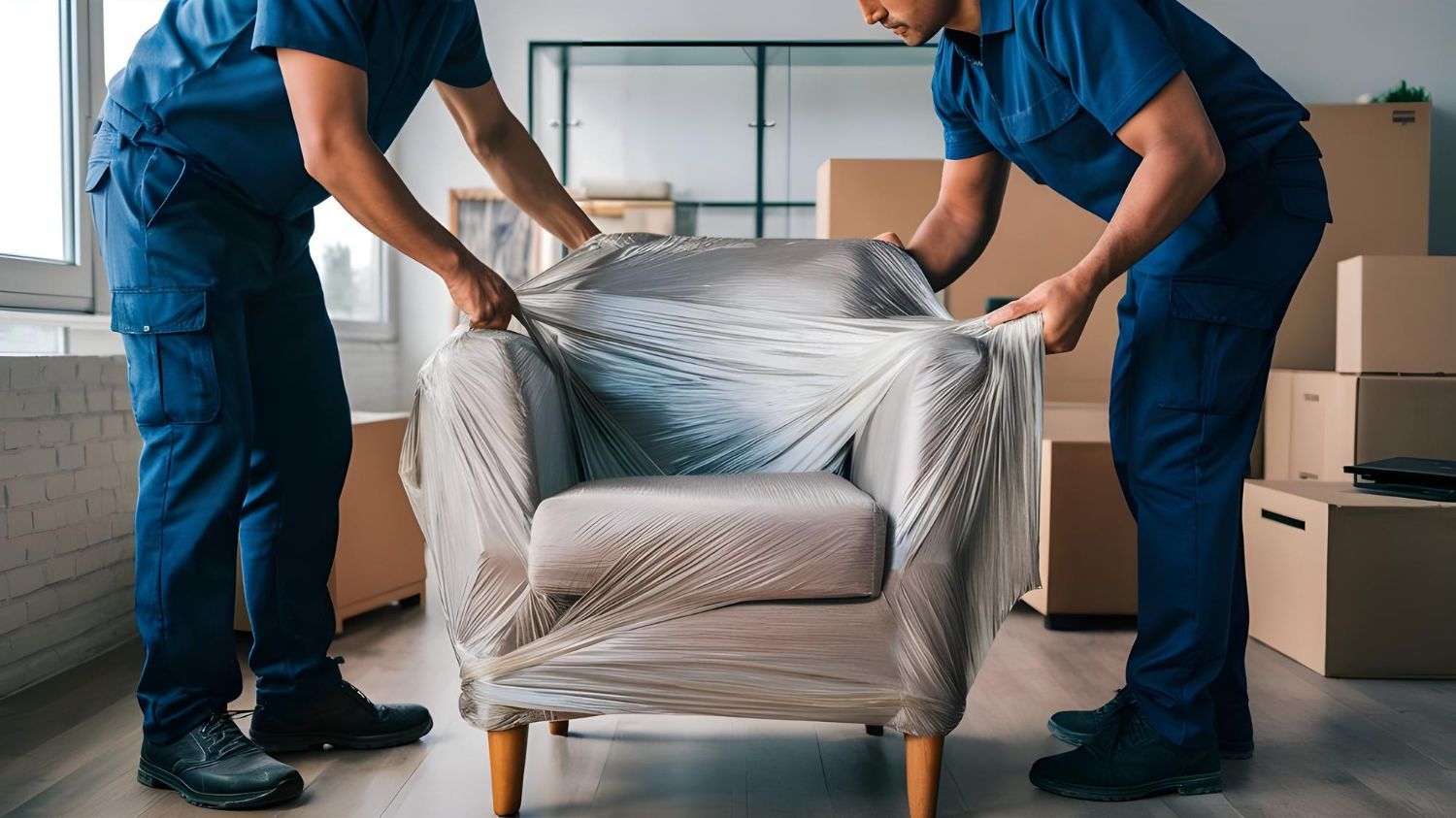
Crews lay down thick quilted pads and neoprene floor runners to prevent deep scratches from heavy foot traffic. Door jamb protectors wrap around the historic wood frames, providing a padded bumper against accidental bumps. These steps take extra time on the front end but ensure the historic integrity of the property remains intact.
Preserving Your Historic Property
Bringing modern comfort into a classic home requires patience, the right tools, and an understanding of physical angles. Relying on experienced tradespeople prevents costly damage to both your new purchases and your vintage architecture. Reach out to our delivery team to discuss the exact dimensions of your historic property before your next major furniture purchase.
Share This Blog